Water, not price, is the constraint that actually governs what you can build on the Monterey Peninsula. Here is exactly how it works in Carmel-by-the-Sea, Monterey, Pacific Grove, Pebble Beach, Carmel Highlands, and Carmel Valley, what changed in 2026, and what to verify before you buy, sell, or remodel.
Quick answer
Water on the Monterey Peninsula runs through three separate systems: a property's own water credits (fixed by MPWMD based on installed fixtures), your city or county's water allocation (a rationed pool that can never be sold), and in a few places, a private water entitlement (a purchasable property right). Which system controls your project depends entirely on your address. Carmel-by-the-Sea, Monterey, and Pacific Grove each run their own allocation. Pebble Beach, Carmel Highlands, and Carmel Valley fall under Monterey County's new Board Policy G-269, adopted June 9, 2026. And since 2009, a State Water Board order has limited new water meters everywhere except one narrow exception in Pebble Beach.
Jump to: The Three Kinds of Water Rights · Water Credits 101 · Water Allocation by City · The Meter Moratorium · Buyer Checklist · Seller Checklist · FAQ
Key takeaways
- Three systems, not one. Water credits attach to your property. Water allocation is rationed by your jurisdiction and can't be sold. Water entitlement is a private property right that can be bought.
- Your jurisdiction determines your rules. Carmel-by-the-Sea, Monterey, and Pacific Grove each run independent allocation policies. Pebble Beach, Carmel Highlands, and Carmel Valley are unincorporated county, governed by Board Policy G-269.
- Only two entitlement holders currently sell water on the Peninsula: Pacific Grove (from its own entitlement) and Pebble Beach Company (Benefited Properties in Del Monte Forest only).
- An allocation is not a meter. The State Water Board's Cease and Desist Order has restricted new Cal-Am connections since 2009. A hearing on modifying it is underway now, with written testimony due August 19, 2026 and a decision expected after November 10, 2026.
- Pebble Beach's entitlement is the one exception. Water tied to a designated Benefited Property under MPWMD Rule 23.5 carries meter rights that survive the moratorium, an advantage unique on the Peninsula.
Why water controls everything here
For sixteen years, a State Water Board order has effectively frozen new water meters across the Monterey Peninsula. In that environment, water isn't a utility bill. It's the gating factor on whether a lot can be built on, whether a remodel can proceed, and in many cases, what a property is actually worth.
Homeowners, buyers, and sellers routinely use the word "water credits" to describe three legally distinct things, and mixing them up is the single most common and most expensive mistake we see. This guide separates them, then walks through exactly how each jurisdiction on the Peninsula administers its water, in plain language, sourced directly from the governing rules.
The three kinds of water rights
1. Water credits: your property's own record
The Monterey Peninsula Water Management District (MPWMD) assigns every parcel within its boundaries a fixture unit count based on the water-using fixtures physically installed there. This is a District record attached to the site, and it travels with the property when it sells. It answers one question: how much water use has this specific property already been permitted for?
2. Water allocation: your jurisdiction's ration
MPWMD periodically grants finite quantities of new water supply to each of the jurisdictions within its territory: Carmel-by-the-Sea, Del Rey Oaks, Monterey, Pacific Grove, Sand City, Seaside, the Monterey Peninsula Airport District, the Department of Defense, and unincorporated Monterey County. A project draws from that pool when it needs more water than the property's existing credits provide. Critically, MPWMD Rule 33-D prohibits any jurisdiction from selling water from its allocation. A city or the County can ration it, but never sell it.
3. Water entitlement: a private, purchasable right
An entitlement is a discrete quantity of water granted by MPWMD ordinance to a specific holder, almost always as payback for building a water-saving or water-producing project: a recycling plant, a reclamation system, a retired river right. Unlike an allocation, an entitlement can be bought and sold, subject to the terms of the ordinance that created it. Every place on the Peninsula where a homeowner can actually purchase water runs through this third category.
Know which of the three governs your situation before you spend a dollar solving it.
Water credits 101: what every fixture costs
Every property owner in MPWMD's territory operates under the same fixture accounting, regardless of which city or county governs your allocation. MPWMD assigns each fixture a unit value under Rule 24, Table 1, most recently amended by Ordinance No. 201 on April 20, 2026. If you're working from an old flyer, an outdated article, or a contractor's memory, verify the numbers before you plan around them.
Fixture | Unit Value |
|---|---|
Washbasin, each | 1.0 |
Two washbasins in the master bathroom | 1.0 |
Toilet | 1.3 |
Ultra high efficiency toilet, deed restricted (0.8 gal max) | 0.8 |
Standard bathtub or shower stall (one showerhead) | 2.0 |
Bathtub and separate shower in the master bathroom | 3.0 |
Shower, each additional fixture (extra showerheads, body sprays) | 2.0 |
Kitchen sink, with non-high-efficiency dishwasher | 2.0 |
Kitchen sink with adjacent high efficiency dishwasher | 1.5 |
Clothes washer, standard | 2.0 |
Clothes washer, high efficiency | 1.0 |
Bidet | 1.0 |
Bar, entertainment, or vegetable sink | 1.0 |
Swimming pool, per 100 sq ft of surface | 1.0 |
One conversion is worth memorizing: one fixture unit equals 0.01 acre-feet per year (AFY). A 25-unit cap and a 0.25 AFY cap are the same number, just expressed differently across different documents.
The trade that used to work, and doesn't anymore
For years, the standard advice was to give up a bidet (then valued at 2.0 units) to fund an additional shower fixture (then 1.5 units). Under the current table, a bidet is worth 1.0 and an additional shower fixture costs 2.0. That trade now runs backward. If you've seen this tip on an older real estate site, it's stale.
The cheapest capacity available today is a high efficiency appliance swap: moving to a high efficiency clothes washer frees a full unit, and pairing a high efficiency dishwasher with the kitchen sink frees half a unit. On a house with several older fixtures, two or three swaps can fund an entire additional washbasin without touching your jurisdiction's allocation at all.
Water use credits expire
When fixtures are permanently removed, a structure is demolished, or a property permanently disconnects from Cal-Am, MPWMD documents a water use credit, the freed capacity, available for reuse on that same site. These are time-limited to ten years and are generally not transferable to another property. If you're buying where a prior structure was demolished, confirm the date the credit was documented, not just its size.
The second bathroom protocol
MPWMD allows a dwelling built before May 16, 2001 with fewer than two bathrooms to add a second bathroom, or add a tub or shower to an existing powder room, without debiting your jurisdiction's allocation at all. The constraints:
- Does not apply to multi-family sites with four or more dwelling units.
- Cannot be used to create an ADU or JADU. The bathroom must be inside the existing dwelling unit.
- Cannot be designated the master bathroom.
- Caps the home at two bathrooms unless additional water is obtained through an allocation, an entitlement, or a credit.
Capacity fees still apply. The relief is on the water accounting, not the fee.
Water allocation: city by city, and by county
This is where the Peninsula splits into six genuinely different regulatory environments, all governed by the same District, all playing by different local rules.
MPWMD Rule 33, Table 5 sets each jurisdiction's baseline allocation, most recently updated when Ordinance No. 197 distributed water from the completed Pure Water Monterey Expansion:
Jurisdiction | PWM Expansion | Prior Allocation | Total |
|---|---|---|---|
Monterey | 141 AF | 0.543 AF | 141.543 AF |
Unincorporated Monterey County | 72 AF | 10.930 AF | 82.930 AF* |
Seaside | 21 AF | 29.157 AF | 50.157 AF |
Monterey Peninsula Airport District | 44 AF | 5.197 AF | 49.197 AF |
Pacific Grove | 32 AF | 0.024 AF | 32.024 AF |
Department of Defense sites | 27 AF | 0 AF | 27.000 AF |
Carmel-by-the-Sea | 14 AF | 2.479 AF | 16.479 AF |
Sand City | 14 AF | 0 AF | 14.000 AF |
Del Rey Oaks | 6 AF | 0 AF | 6.000 AF |
District Reserve | 2,086 AF | 8.044 AF | 2,094.044 AF |
*The County's own tracking, used throughout this guide, lists the combined figure as 82.945 AFY. The small variance from Rule 33's 82.930 AF reflects differing rounding and update dates between MPWMD's March 2025 table and the County's later figures; treat the County's published number as authoritative for County allocation purposes.
Two things worth understanding about this table. The District Reserve dwarfs every jurisdiction combined, over five times the total distributed so far, held back deliberately against a 25-year growth forecast and reviewed at least every four years. And Monterey's allocation is roughly 1.7 times the County's entire pool, which produces a genuinely strange result explained below.
Unincorporated Monterey County: Pebble Beach, Carmel Highlands, Carmel Valley
Governed by Board Policy G-269, adopted June 9, 2026, by a unanimous 5–0 vote of the Board of Supervisors.
This policy ended roughly thirty years of first-come, first-served practice for unincorporated county water. It applies specifically to unincorporated areas inside the Cal-Am service area of MPWMD, which means Pebble Beach, Carmel Highlands, unincorporated Carmel, and Carmel Valley. It does not apply to Carmel-by-the-Sea, Monterey, or Pacific Grove.
The numbers, as of July 27, 2026:
Category | Priority | Water | Status |
|---|---|---|---|
County allocation, total | — | 82.945 AFY | — |
HCD Approved Water Waitlist | 1 | 19.294 AFY | Held. Closed list, four projects. |
Remaining to allocate | — | 63.651 AFY | — |
Planned Housing Growth (80%) | 2 | 50.921 AFY | Available |
High density housing (40%) | — | 25.46 AFY | Available |
ADUs, JADUs, SFDs (40%) | — | 25.46 AFY | Available |
First Come, First Served (15%) | 3 | 9.547 AFY | Available |
Strategic Reserve (5%) | 4 | 3.182 AFY | Board discretion |
The waitlist is closed. Four previously approved projects, some dating back nearly thirty years, hold 19.294 AFY off the top. No new projects will be added to this list.
Which category are you in?
Planned Housing Growth qualifies:
- An ADU or JADU not exceeding 0.12 AFY (12 fixture units), interior fixtures only; or
- A single-family dwelling on a vacant lot of record not exceeding 0.25 AFY (25 fixture units); or
- A higher-density housing project in an Affordable Housing Overlay or listed as a Housing Element Opportunity Site, meeting inclusionary or workforce affordability requirements at a minimum density of 10 units per acre; or
- Deed-restricted low-income housing portions, including State Density Bonus or Builder's Remedy units; or
- An expansion of an existing multifamily development.
First Come, First Served qualifies:
- Expansions and remodels of existing single-family homes, capped at 0.25 AFY counting existing plus proposed fixtures together, not just what you're adding.
- Multifamily additions, expansions, and remodels, no usage maximum.
- Non-residential uses, including changes of use and new construction, no usage maximum.
- Emergency water, including fire suppression infrastructure required by the fire authority, with HCD Director approval above standard caps where a demonstrated need exists.
Strategic Reserve requires a Board of Supervisors resolution finding that the project minimizes water use, complies with County policy, and delivers affordable housing, jobs, or public benefit. The Board's decision is final.
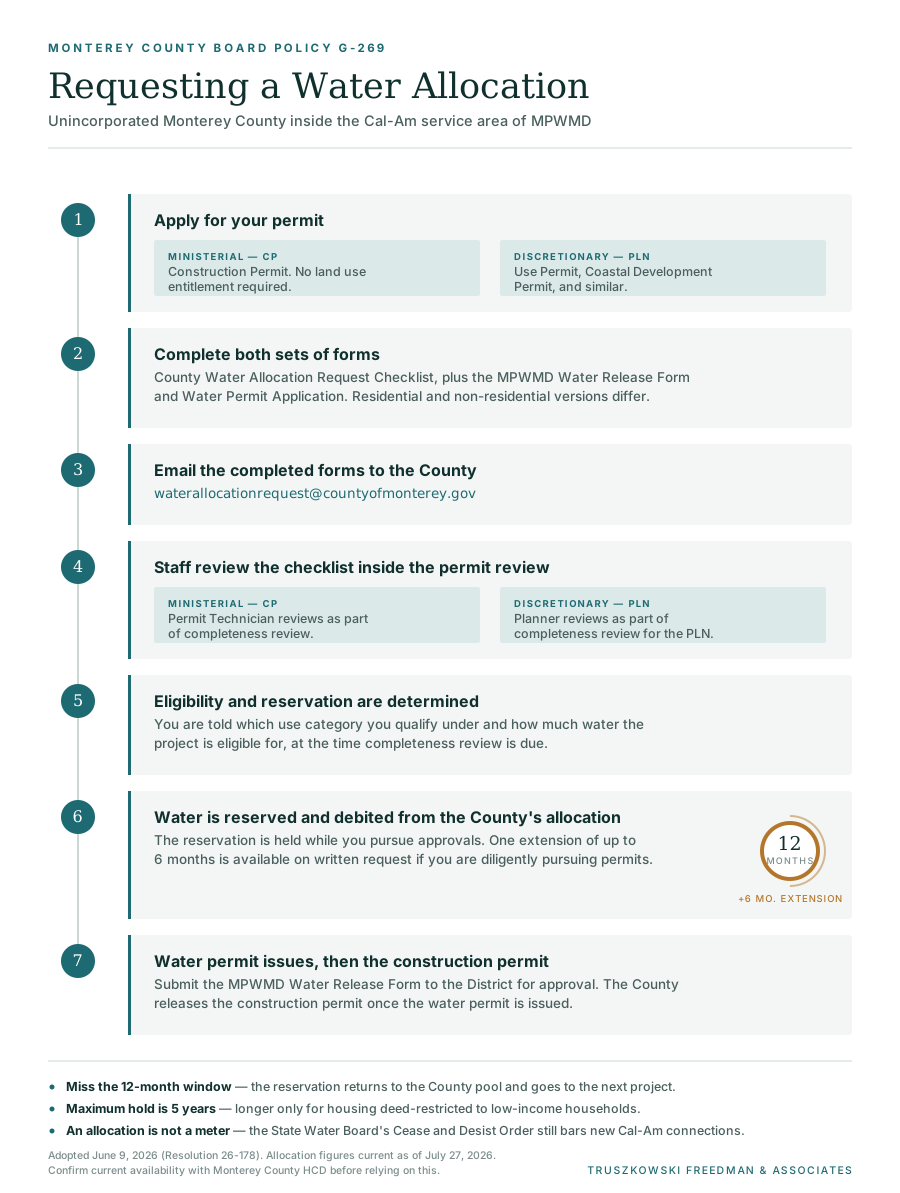
The process and the clock inside it:
Once your application is deemed complete and found eligible, the County debits your water from the pool and reserves it for 12 months. One extension of up to 6 months is available on written request if you're diligently pursuing permits. Miss the window, and the reservation returns to the pool for the next project in line. The maximum any project can hold water is 5 years, longer only for deed-restricted low-income housing.
Completed forms go to [email protected]. Monterey County HCD can be reached at (831) 755-5025.
Carmel-by-the-Sea
Allocation: 16.479 AF, the smallest of the four incorporated water users.
With essentially no vacant land and a 6th Cycle RHNA obligation of 349 net new units, sixteen acre-feet is tight runway. The second bathroom protocol applies here without touching the City's allocation, same rules as everywhere: pre-May-2001 construction, no master bath, no ADU creation.
Beyond the second bathroom protocol, there is no entitlement water available for purchase in Carmel-by-the-Sea. If you need water beyond your property's existing credits, your only path is efficiency retrofits that free capacity within your own fixture count, covered above.
Contact: Carmel-by-the-Sea Planning and Building, (831) 620-2010.
Monterey
Allocation: 141.543 AF, the largest on the Peninsula, and the hardest to actually reach.
Here's the strange result mentioned above. Monterey holds more water than any other jurisdiction, nearly 1.7 times the County's entire pool. Yet the City's published Water Availability guidance states plainly that Monterey does not currently have water credits available for allocation, and that all private development is limited to the credits already on the specific site.
The City maintains three separate waiting lists through its Planning Division: New Residential, Residential Remodel, and Commercial/Industrial. That guidance still cites the superseded Ordinance 98 for the second-bathroom protocol (amended repeatedly since by Ordinances 185, 193, and 196) and fixture values that predate Ordinance 201. It also predates any public accounting of the City's Pure Water Monterey allocation.
Whether that means the City hasn't yet adopted a distribution policy for its 141.543 acre-feet, or the page simply hasn't caught up, isn't something a website can answer. If you own or are considering property in Monterey and need water, call the Planning Office directly and ask specifically about the status of the City's Pure Water Monterey Expansion allocation and current waitlist position. That single call can change a project timeline by years.
Contact: City of Monterey Planning Office, (831) 646-3885.
Pacific Grove
Allocation: 32.024 AF, plus a separate 66 acre-foot entitlement. The only city on the Peninsula that sells water directly.
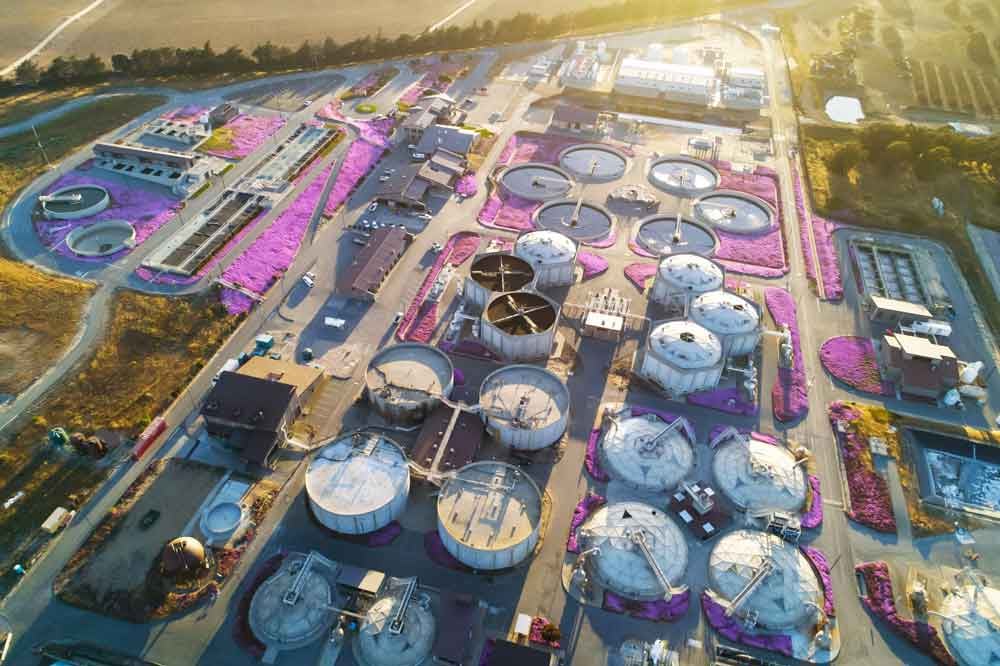
Pacific Grove built its own satellite recycled water treatment plant, producing up to 125 acre-feet annually to irrigate the Pacific Grove Golf Links, El Carmelo Cemetery, and Crespi Pond restrooms. Freeing that potable water from irrigation duty let MPWMD convert the savings into a 66 acre-foot annual entitlement, held by the City under Ordinance No. 168, adopted January 27, 2016.
Pacific Grove has sold potable water directly to residents since July 22, 2019, under Municipal Code Chapter 11.68. Be careful with pricing you find online: the City's original 2019 sale was $250,000 per acre-foot with a 30 percent early-applicant discount that has long since expired. At full 2019 pricing, a typical home needing a quarter to a third of an acre-foot ran $62,500 to $83,000. That was seven years ago. Confirm current pricing and remaining supply with the City directly.
The process runs through a Water Credit Application submitted to Community Development. Pacific Grove also publishes a searchable database of issued water credit permits, useful diligence for confirming whether a specific property already carries purchased water.
Contact: Pacific Grove Community Development, (831) 648-3183, or [email protected].
Pebble Beach and Del Monte Forest
Not a city. Governed by County Policy G-269, same as Carmel Highlands and Carmel Valley. But holding the strongest water position on the Peninsula, for one specific reason.
Everything above about the County's priority categories, the 12-month reservation clock, and the 0.25 AFY residential cap applies fully to Pebble Beach. Most Pebble Beach projects, though, never touch that County pool, because of MPWMD Rule 23.5.
The entitlement. In 1989, Pebble Beach Company agreed to underwrite the capital costs of the CAWD/PBCSD Wastewater Reclamation Project, the tertiary treatment plant that irrigates every golf course in Del Monte Forest with recycled water. In exchange, MPWMD granted a Water Entitlement of 380 acre-feet per year, originally split 365 acre-feet to Pebble Beach Company, 10 to J. Lohr Properties for the Macomber Estates subdivision, and 5 to the Hester Hyde Griffin Trust. Ordinance No. 109, adopted in 2004, lets Pebble Beach Company sell portions of its entitlement to individual parcels within Del Monte Forest to help fund the project's expansion, which is why listings there routinely advertise a specific acre-foot figure tied to the lot.
Why it matters more than people realize. Rule 23.5-E states that a Water Use Permit entitles the property owner to Cal-Am service, including the installation of water meters, notwithstanding the existence of a moratorium or a temporary delay on new connections. The rule goes further: issuing that permit is a ministerial, non-discretionary act, enforceable by mandamus. Rule 23.5-A-8 reinforces that the entitlement cannot be terminated or diminished by any water moratorium, emergency, or curtailment on meter-setting.
In plain terms: for sixteen years the State Water Board's order has effectively frozen new meters Peninsula-wide. Entitlement water tied to a designated Benefited Property in Del Monte Forest sits outside that freeze. That is a genuine, durable difference in what a Pebble Beach parcel is worth, and one of the most underappreciated facts in Peninsula real estate.
What constrains it:
- It only applies to designated Benefited Properties. Not every Pebble Beach parcel qualifies. Verify status with MPWMD directly, never assume from an address.
- It cannot be resold. Once purchased from Pebble Beach Company, the entitlement is locked to that specific property permanently.
- It does convey with title to successors in interest, which is exactly why buyers should confirm the remaining balance in writing during escrow rather than relying on a listing remark.
Contact: Monterey County HCD, (831) 755-5025, for County allocation questions. MPWMD Water Permits, (831) 658-5601, to confirm entitlement status on a specific parcel.
Where can you actually buy water? A summary
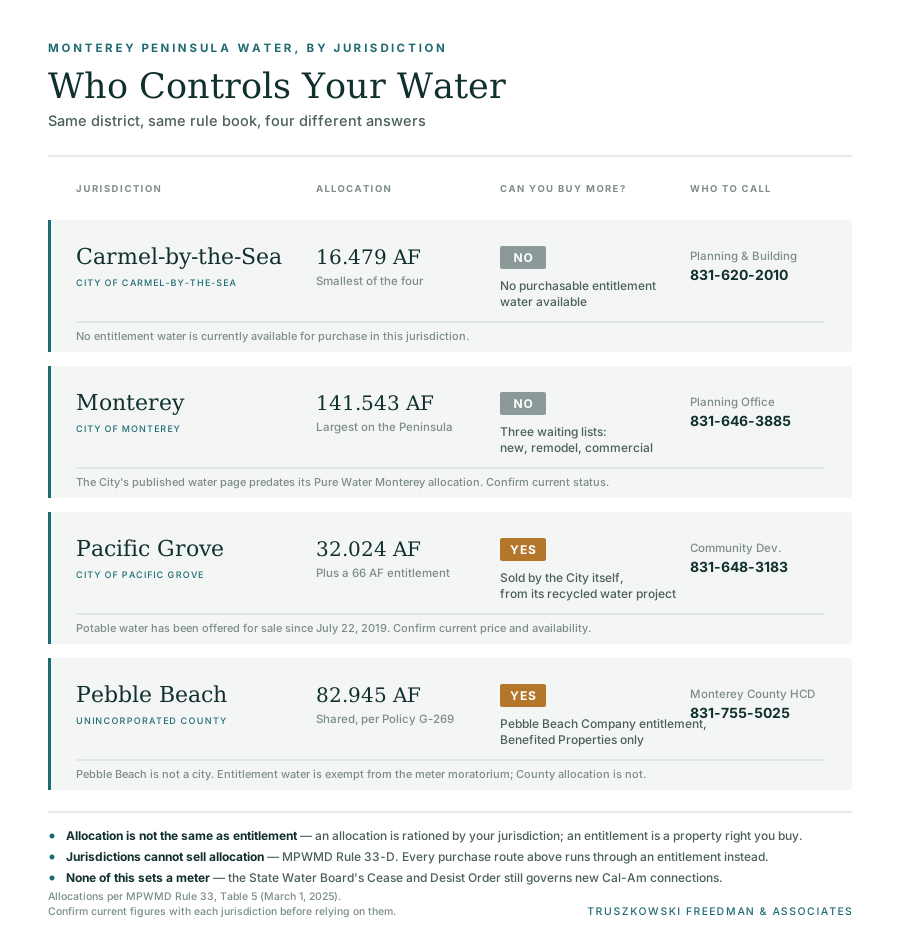
Market | Purchasable? | From whom |
|---|---|---|
Pacific Grove | Yes | The City itself, since July 2019 |
Carmel-by-the-Sea | No | No entitlement water available |
Carmel Valley | No | No entitlement water available |
Pebble Beach / Del Monte Forest | Yes | Pebble Beach Company, Benefited Properties only |
Monterey | No | Waiting lists only |
Carmel Highlands | No | County allocation only (Policy G-269) |
Sand City and Seaside also hold their own water entitlements from separate infrastructure projects, worth a call to those jurisdictions directly if you own there.
The pattern behind every entitlement that's still selling is consistent: somewhere behind each one, someone built something. Pacific Grove built a recycling plant. Pebble Beach Company financed a reclamation system. Nobody on the Peninsula sells water they simply had sitting around; every gallon for sale was earned by infrastructure.
The Cease and Desist Order: why allocation isn't the same as a meter
Getting an allocation or an entitlement approved does not, by itself, get you a working water meter.
Since 2009, State Water Board Order WR 2009-0060 has barred Cal-Am from serving new connections or increased use tied to a change in zoning or use. Sixteen years later, that order is still active, and every city's own guidance, including Pacific Grove's water credits page, warns applicants that a moratorium may prevent Cal-Am from setting a meter regardless of allocation status.
The one exception, as covered above, is Pebble Beach entitlement water tied to designated Benefited Properties, which carries express, mandamus-enforceable meter rights under Rule 23.5.
For everyone else, the path runs through a State Water Board hearing now underway. MPWMD applied on October 24, 2025 to modify Condition 2 of the order, arguing that the completed Pure Water Monterey Expansion, now supplying roughly 60 percent of the Peninsula's drinking water, has created a durable surplus. The Board issued a Notice of Hearing on June 19, 2026, amended July 9.
The schedule:
- August 19, 2026. Written testimony and exhibits due.
- September 18, 2026. Written rebuttal due.
- November 5, 2026. Public comment and policy statements.
- November 10, 2026. Closing briefs due.
A decision follows sometime after that. If Condition 2 is lifted, every allocation and entitlement described in this guide becomes immediately more actionable. If it isn't, most of this remains an accounting exercise layered on top of a hard supply cap.
What buyers should verify before writing an offer
- Order the MPWMD fixture record for the property during your contingency period. This is the one document that tells you what's actually buildable, and it's free to request.
- Confirm which jurisdiction governs the water, not just which city has the mailing address. Pebble Beach in particular is unincorporated county, not a city.
- If a prior structure was demolished, confirm the water use credit's documentation date. The ten-year clock may be further along than the seller realizes.
- In Pebble Beach, verify Benefited Property status and remaining entitlement balance directly with MPWMD, in writing, before you count on it.
- In Pacific Grove, search the City's public water credit database to see whether the property already carries purchased water.
- Never assume a listing's stated water figure is current. Entitlement balances change every time a portion is used.
What sellers should document before listing
- Order MPWMD's fixture inspection early, not during escrow. Unpermitted fixtures found at transfer are a problem you want to discover on your own timeline.
- If your property carries purchased entitlement water, get written confirmation of the remaining balance from MPWMD or the City before marketing it as a feature. Buyers and their agents will ask, and a clean paper trail closes deals faster.
- If you've done efficiency retrofits that freed capacity, document them. A verified fixture count with headroom is a genuine selling point in this market.
- Disclose known water use credits and their expiration dates. A credit six years into its ten-year window is a materially different asset than one just documented.
Frequently asked questions
Do I need a water permit to remodel or add on to my home on the Monterey Peninsula? Yes, in almost every case. Any project that adds or changes water fixtures within MPWMD's territory requires an MPWMD water permit, and the project must have sufficient water credit on the property, or must secure additional water through your city's or county's allocation process, before that permit can issue.
What is the difference between a water credit, a water allocation, and a water entitlement? A water credit is MPWMD's record for a specific property based on its installed fixtures; it stays with the parcel. A water allocation is a ration granted to a city or the County, which that jurisdiction distributes under its own policy and can never sell. A water entitlement is a fixed quantity granted by ordinance to a specific holder, usually in exchange for a water-saving or water-producing project, and unlike an allocation, it can be bought and sold.
Does Monterey County's Water Allocation Policy (G-269) apply to my property in Carmel-by-the-Sea, Monterey, or Pacific Grove? No. Board Policy G-269 governs only unincorporated Monterey County within the MPWMD service area: Pebble Beach, Carmel Highlands, unincorporated Carmel, and Carmel Valley. Carmel-by-the-Sea, Monterey, and Pacific Grove each administer their own MPWMD allocation independently.
Is Pebble Beach a city? No. Pebble Beach and Del Monte Forest are unincorporated Monterey County, so Pebble Beach's water allocation falls under County Board Policy G-269, the same as Carmel Highlands and Carmel Valley. Pebble Beach Company is a private landowner and architectural review authority, not a city government.
Can I buy water credits on the Monterey Peninsula? Not from a city or the County directly; MPWMD Rule 33-D bars any jurisdiction from selling allocation water. Two private entitlement holders currently sell: the City of Pacific Grove, from its own entitlement, and Pebble Beach Company, to designated Benefited Properties in Del Monte Forest.
Can my city or the County sell me water allocation directly? No. MPWMD Rule 33-D prohibits any jurisdiction from selling allocation water. Every purchase route on the Peninsula runs through a separate water entitlement instead.
How long does a water allocation reservation last once I qualify? Under County Policy G-269, a qualifying project can reserve water for 12 months from the completeness determination, with one possible 6-month extension. The maximum hold is 5 years, longer only for deed-restricted low-income housing.
Can I add a second bathroom to my one-bathroom home without a water allocation? Often, yes, through MPWMD's second bathroom protocol, for dwellings built before May 16, 2001 with fewer than two bathrooms. It cannot create an ADU or JADU, cannot apply to the master bathroom, and doesn't apply to buildings with four or more multifamily units. Capacity fees still apply.
Are water use credits permanent once documented? No. A water use credit created by fixture removal, demolition, or disconnection is time-limited to ten years and is generally not transferable to another site.
Can I get water for fire suppression or another emergency? Yes. In unincorporated Monterey County, emergency water including required fire suppression infrastructure falls under the First Come, First Served category and can exceed standard usage caps with HCD Director approval, appealable to the Planning Commission.
If I get a water allocation or entitlement, can I get a new water meter right now? Not automatically, outside Del Monte Forest. The State Water Board's Cease and Desist Order has restricted new Cal-Am connections since 2009, with a modification hearing running through November 2026. Pebble Beach entitlement water tied to a Benefited Property under Rule 23.5 is the one exception, carrying meter rights that survive the moratorium.
How much does it cost to buy water credits in Pacific Grove? Pricing has moved since the program launched in 2019 at $250,000 per acre-foot with a since-expired early discount. A typical home needs roughly a quarter to a third of an acre-foot. Contact Pacific Grove's Community Development Department directly for current figures.
What should I verify before buying a Pebble Beach home advertised with water entitlement? Confirm, against MPWMD's own records, whether the parcel is a designated Benefited Property, exactly how much entitlement is dedicated to it, and how much remains unused. The entitlement conveys with title but cannot be resold separately from the property.
Where does Carmel Valley fit into all of this? Carmel Valley is unincorporated county, governed by Board Policy G-269 like Pebble Beach and Carmel Highlands. There is no purchasable entitlement water available in Carmel Valley. A small separate reserve of 12.76 acre-feet exists under MPWMD Rule 33-C, tied to the former Water West Water Distribution System.
Sources
- Monterey County Board Policy G-269 and Resolution 26-178
- Monterey County Board Order, June 9, 2026
- Final List of Previously Approved Permits Waiting on Water, updated June 10, 2026
- County Water Allocation Reservation Request Process
- County Water Allocation Request Checklist
- MPWMD Rule 33, Jurisdictional and Reserve Water Allocations, includes Table 5, allocations by jurisdiction
- MPWMD Rule 23.5, Pebble Beach Company, J. Lohr Properties, and Hester Hyde Griffin Trust Entitlements
- MPWMD Rule 24, Table 1: Residential Fixture Unit Count Values
- MPWMD Second Bathroom Protocol
- MPWMD Ordinances index
- City of Monterey, Water Availability
- City of Pacific Grove, Water Credits
- City of Carmel-by-the-Sea, Planning Division FAQs
- State Water Board, Cal-Am CDO Modification Hearing
Residential and non-residential MPWMD water release forms, and the County's Water Allocation Request Checklist, are linked above. Completed County forms go to [email protected].
Allocation figures reflect MPWMD Rule 33, Table 5 (March 1, 2025) and Monterey County's own tracking as of July 27, 2026. Balances shift as projects draw against them, and entitlement pricing moves independently of anything published here. Confirm current figures with the relevant agency before making a decision that depends on them. This article is general information, not legal or engineering advice.
Water is the least understood variable in Peninsula real estate, and the one most likely to derail a project after close. If you're evaluating a specific parcel, a remodel, or a listing and want to know what's actually buildable before you commit, reach out.
Zak Freedman Truszkowski Freedman & Associates | Engel & Völkers Carmel (831) 250-3560| [email protected] DRE #01956633