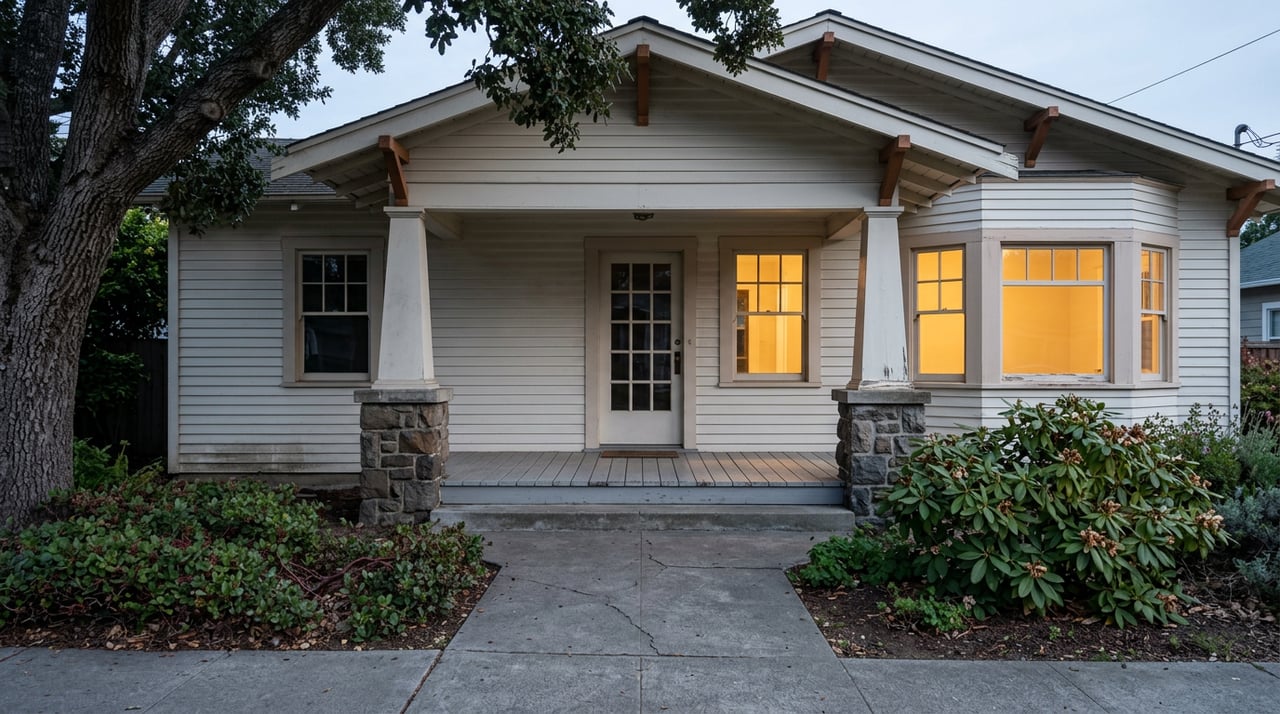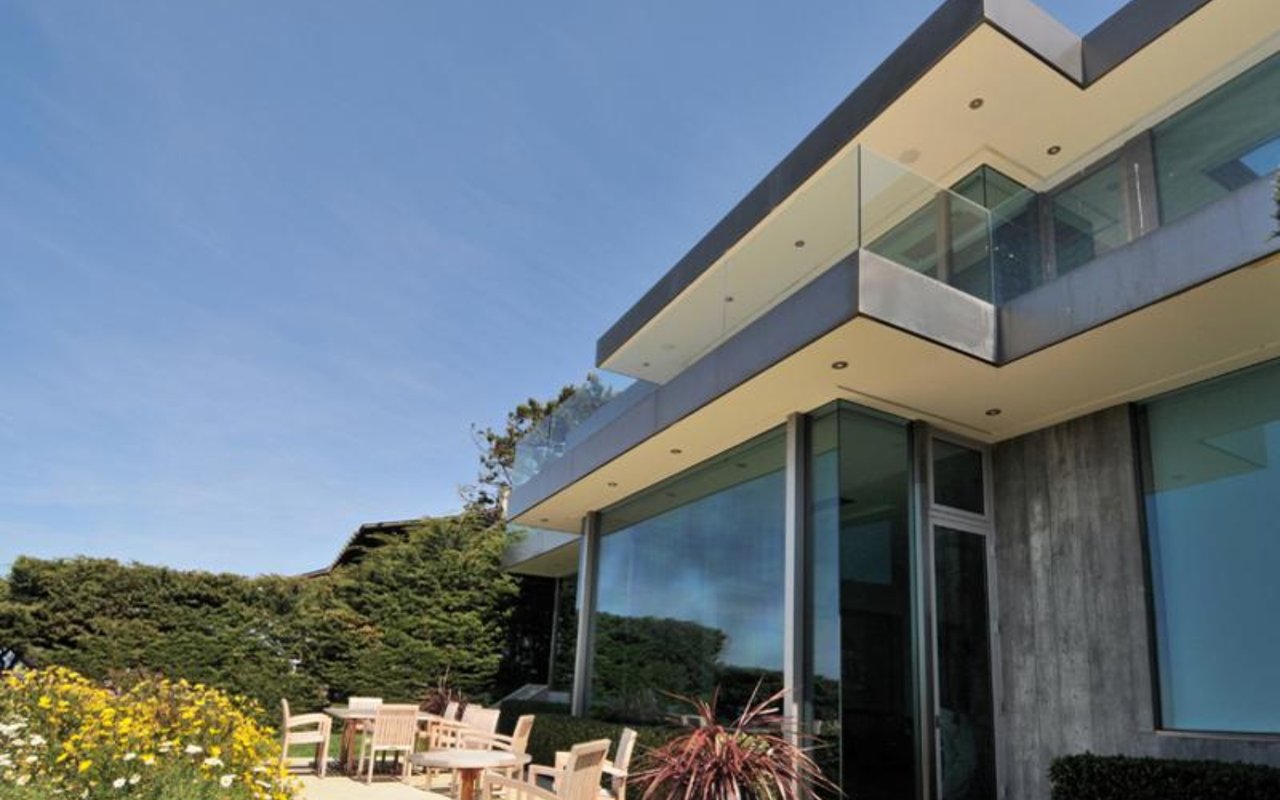
If there is one good thing the enduring recession has done, it’s probably the murder of the McMansions.
The kill may not be for good, but for the time being, construction activities for the atrocious homes of slight architectural distinction – which were brought up in Y2K – are down.
According to National Association of Realtors’ vice president Paul Bishop, the average-sized home being built today is smaller. He added that NAR’s survey shows the same thing as well. Homebuyers these days are inclined to acquire slightly smaller abodes than homebuyers of a few years back. NAR’s study is attested by the American Institute of Architects, which conducts every quarter a survey of design trends for homes. In 2005, AIA added this question in its survey: “Are the homes you are working on in your area getting bigger, smaller, about the same?” Every year since it was added, a higher percentage of architects agreed that homes were diminishing in size.
Click Here to View All Pebble Beach homes for sale!
Last year’s survey indicated that nearly 60% of the respondents agreed that homes were becoming smaller, whereas the rest said they were just the same. Practically none of the answers showed they were becoming larger.
Several reasons account for the McMansion trend, the main being so much cheap money was accessible. Second, monstrous homes were worth the risk because the approval for “bigger” was augmented. And it was not merely the consumers going for larger dwellings. Home developers were just as culpable.
Foremost Communities Inc. in Irvine California founder and president Steve Cameron noted that from year 2003 to 2006 – which were boom times for the housing market – builders excuse for land prices was to put up grotesque abodes. He added that home builders could justify compensating high costs for land by doing perfunctory for larger homes.
Also, within that 3-year period, mortgage money was very accessible, so homebuyers took the opportunity to have a huge home regardless whether they need it or not.
But these days, a lot of homebuyers are not eligible for big mortgages, so they’re just looking for what they really need.
Paul Bishop noted that the economics of building a McMansion have changed. Homebuyers are now sticking to economic realities; construction costs and land values in relation to what buyers are eager to pay at this moment are not in sync. Today, big homes means jumbo mortgage, and financing the purchase of that kind of home is difficult. The financial side of having a large home is quite alarming, to say the least.
AIA’s chief economist Kermit Baker, who also happens to be a senior research fellow at Harvard University, said that homeowners are aware that the days of appreciation are not resurging so they won’t be acquiring homes for the mere sake of investing. These days, homebuyers see homes as a usual consumer goods rather than assets.
So, does the sun set on bigger homes for good, or will the appreciation for McMansion-type of spaces resurge once the housing market gets back firmly on its feet?
Baker suggested that the shift to smaller spaces could be long term. Reasons that accounted for the increase in home size are going to be hard to see again.